2019 NBA Draft at a Glance
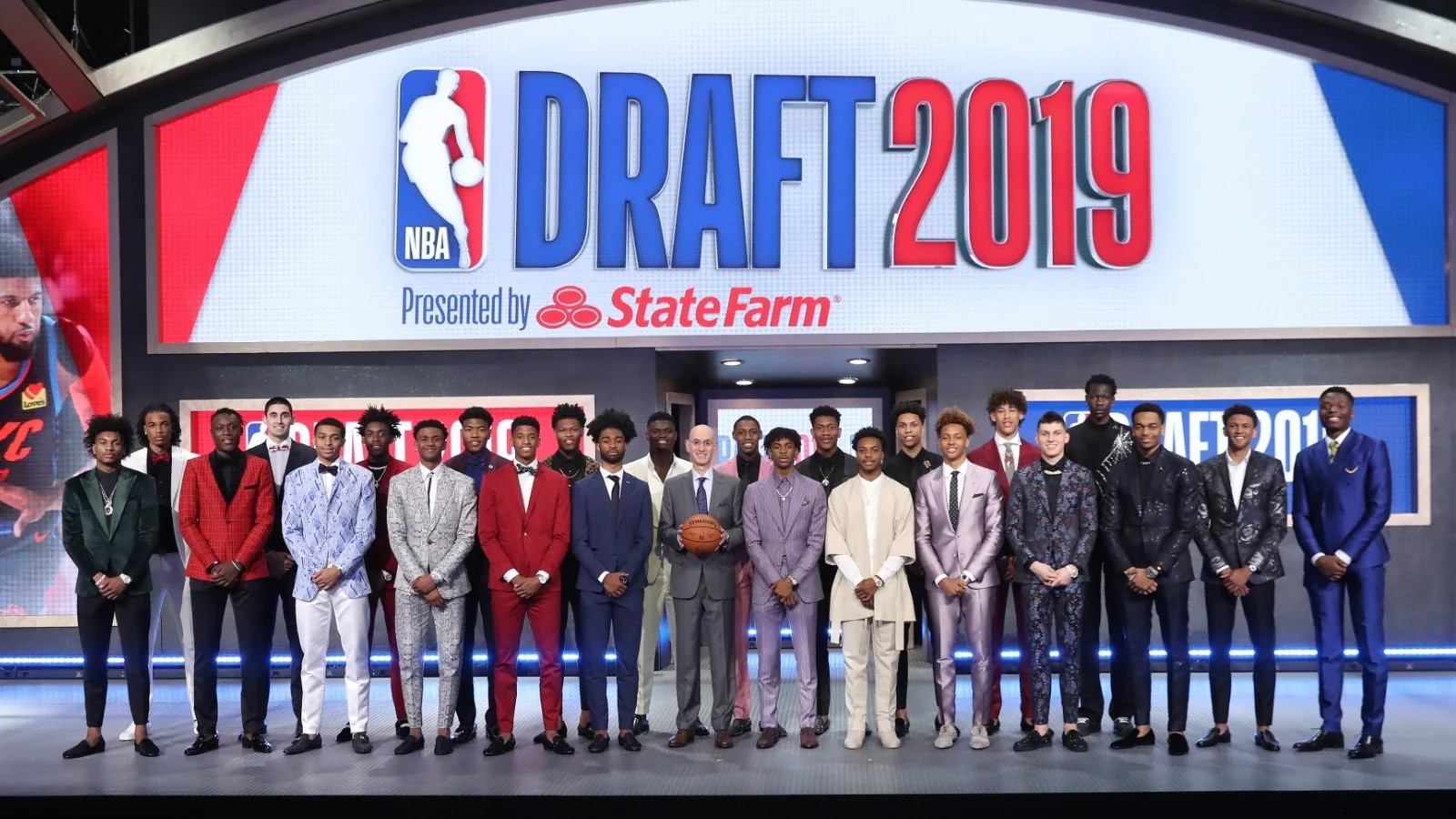
The 2019 NBA Draft was held on June 20, 2019, at Barclays Center in Brooklyn, New York, with 60 players selected over two rounds. Zion Williamson went No. 1 to New Orleans, followed by Ja Morant to Memphis and RJ Barrett to New York.
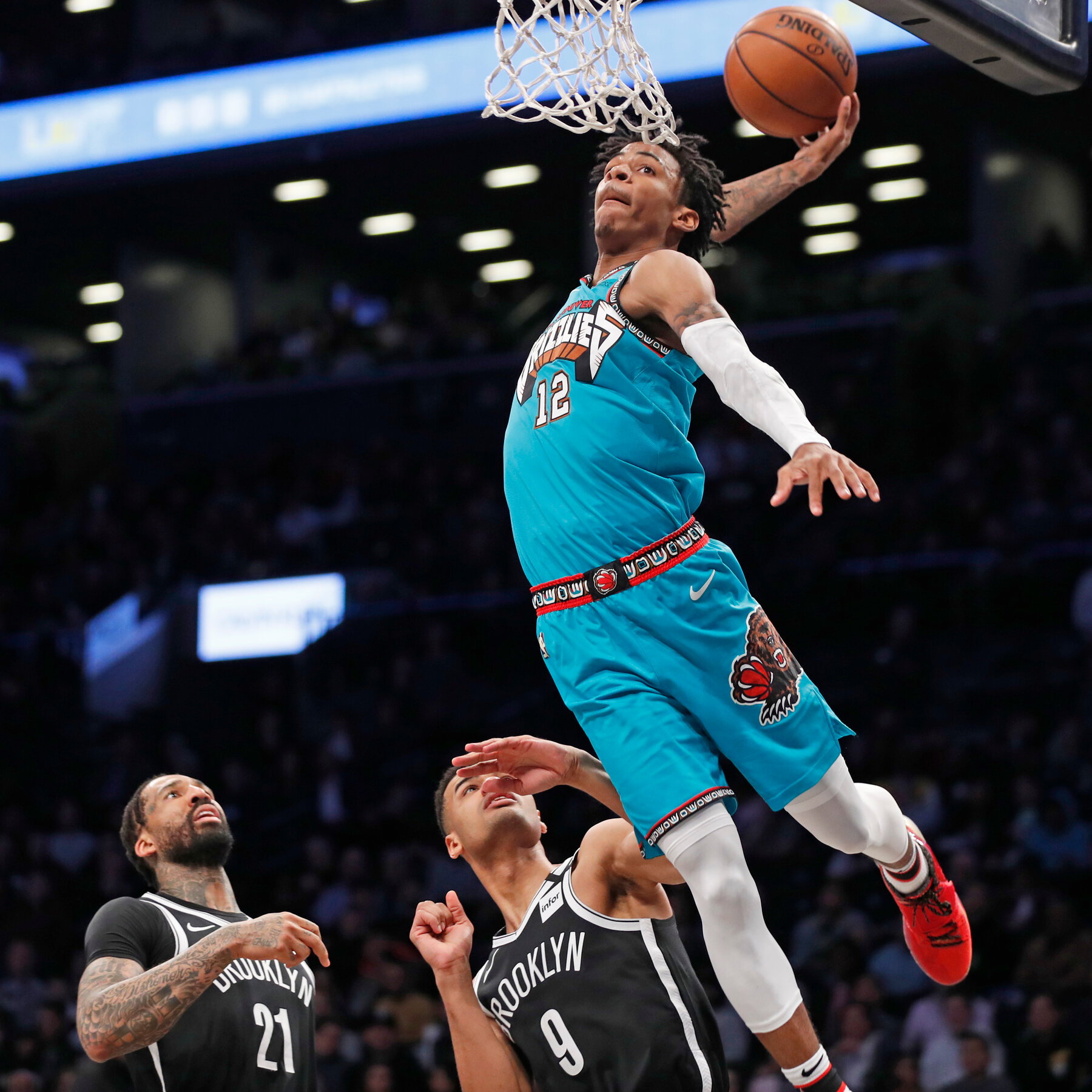
Seven years later, the class has produced four NBA All-Stars: Williamson, Morant, Darius Garland and Tyler Herro. Zion and Morant have each made multiple All-Star teams, while Garland and Herro have also earned selections. Morant stands alone as the class' only All-NBA selection, earning Second Team honors in 2021-22.
The top of the draft has held up reasonably well, with Williamson, Morant and Barrett remaining among the most productive players in the class. Some of the best value came later. Herro went 13th, Jordan Poole 28th, Keldon Johnson 29th and Daniel Gafford 38th. The class also produced several significant undrafted players, including Naz Reid, Lu Dort, Max Strus and Caleb Martin.
Of the 60 players selected, 58 eventually appeared in an NBA game. The only two who never logged an NBA minute were No. 56 pick Jaylen Hands and No. 60 pick Vanja Marinkovic. Hands continued his professional career outside the NBA after spending time in the G League, while Marinkovic remained overseas after Sacramento used the final selection of the draft on him.
Best value picks: Tyler Herro (No. 13), Jordan Poole (No. 28), Keldon Johnson (No. 29) and Daniel Gafford (No. 38).
Undrafted finds: Naz Reid, Lu Dort, Max Strus and Caleb Martin.
All-Stars: Zion Williamson, Ja Morant, Darius Garland, Tyler Herro.
All-NBA: Ja Morant — Second Team, 2021-22.
For clarity, Total Production measures the cumulative production a player has generated over his career. HOC is the per-minute version of that calculation, designed to measure how much production a player generates while he is actually on the floor. Total Production carries the most weight in this exercise, while HOC helps provide context on efficiency and can be especially useful when comparing closely matched players.
A Note on Brandon Clarke
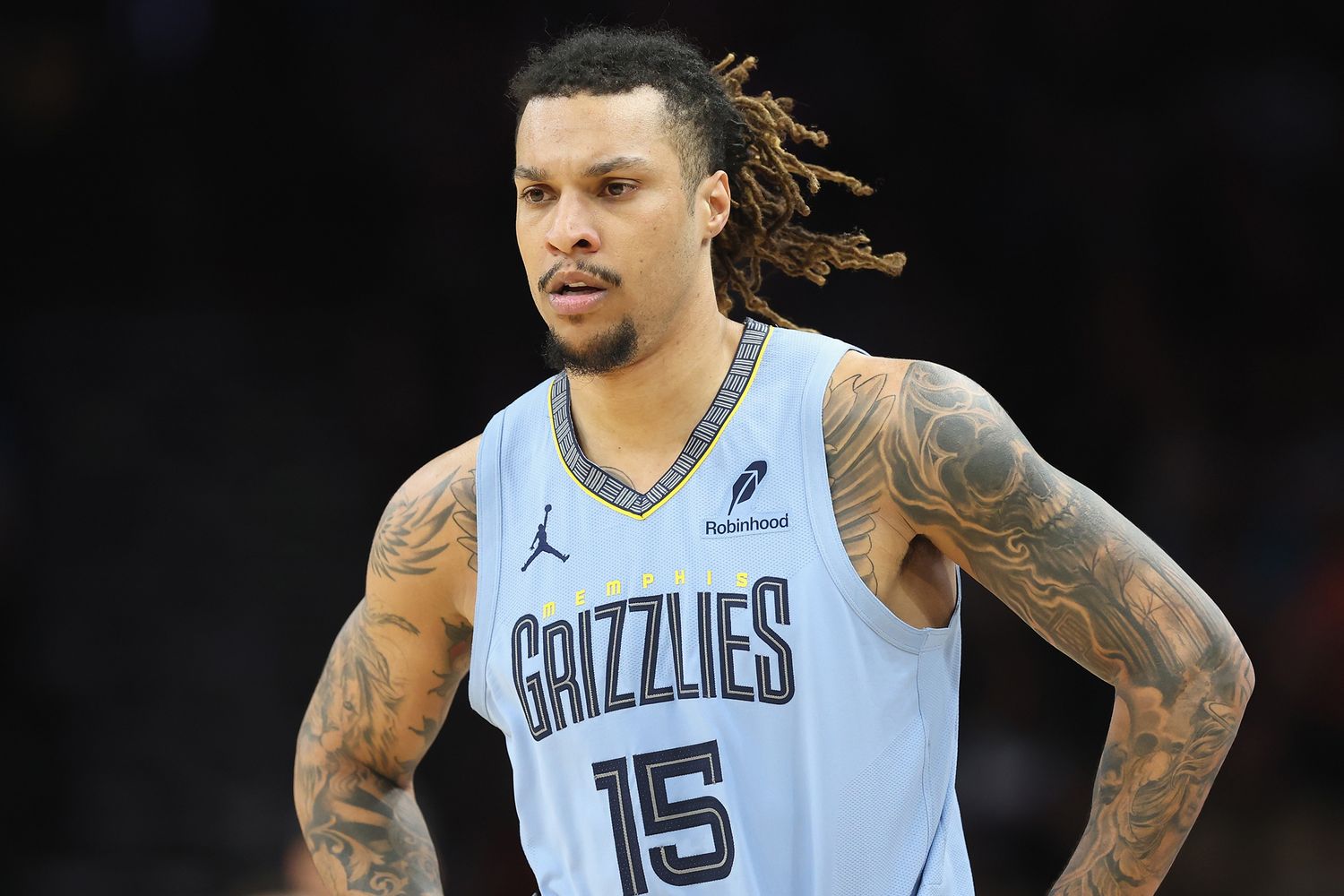
Brandon Clarke would have been firmly in the discussion for a spot in this re-draft based on what he accomplished during his NBA career. His career HOC of .601 per minute was one of the strongest marks in the 2019 class, and he developed into an efficient, productive frontcourt player for Memphis after being selected 21st overall.
Tragically, Clarke died in May 2026 at just 29 years old. Because this re-draft is built around the question of which players we would choose going forward today, Clarke is obviously not included in the rankings. His absence should not be interpreted as an evaluation of his basketball career. He had already established himself as one of the better players to emerge from the 2019 class, and he deserves to be acknowledged separately and respectfully.
2019 NBA Re-Draft.
August 9, 2026. By Bobby Gerould. The 2019 NBA Draft class has now had enough time to be judged on what players have actually become, rather than what they were projected to become. For this re-draft, we wanted to go much deeper than simply sorting career scoring averages or counting awards. We examined career Total Production using the Hoop Obsession Calculation, HOC production per minute, career defensive differentials, net rating, All-Star and All-NBA recognition, availability, durability, and the broader question that ultimately matters in a re-draft: if you were choosing today, which player would you most want moving forward?
After going through the class, five players clearly separated themselves from the rest: Zion Williamson, Ja Morant, Darius Garland, Tyler Herro and RJ Barrett. Each has a very different case, which made determining the order far more difficult than identifying the tier itself. We spent considerable time dissecting their production, efficiency, defensive impact, accomplishments, availability and risk before arriving at this order.
As with any ranking, there is an unavoidable level of subjectivity when deciding the exact order of players, especially when their cases are built on different combinations of production, efficiency, accomplishments, availability and upside.
1. Zion Williamson — Originally drafted No. 1
The biggest question with Williamson has never been talent. It has been availability. Yet when Zion has been on the floor, the production remains extraordinary. His career .747 HOC is easily the best of the top five. Ja Morant, at .634, is the only player reasonably close.
Zion also posted the best career DDiff of the group at +2.18, meaning his teams have defended better with him on the floor relative to their overall defensive baseline. His career net rating is +3.0, and he has already been selected to two All-Star Games.
The injuries cannot be ignored, and they are the primary reason this decision is difficult. But a re-draft is not simply a ranking of who has accumulated the best résumé. It also asks which player you would choose today going forward. Williamson still possesses the highest ceiling in the class, and both his per-minute production and defensive impact support how effective he has been when available.
At 26 years old, there is still enough upside to make Zion the player we would bet on first.
2. Ja Morant — Originally drafted No. 2
Morant owns the strongest individual résumé in the class. He is a multiple-time All-Star and, most importantly, the only player from the 2019 draft to earn All-NBA honors.
His .634 HOC ranks second among our top five, trailing only Williamson. Morant also checks out positively in our defensive evaluation, with a career DDiff of +0.76 and a career net rating of +2.5.
The hesitation is not basketball ability. At his best, Morant has already demonstrated that he can perform at an All-NBA level and serve as the engine of a winning team. The concern is uncertainty. Ja hasn't played particularly meaningful basketball since April of 2023. Morant's proven ceiling is too high to move him any lower. There are risks attached to both Williamson and Morant, but Ja has already reached an individual level that no other member of this draft class has reached.
3. Darius Garland — Originally drafted No. 5
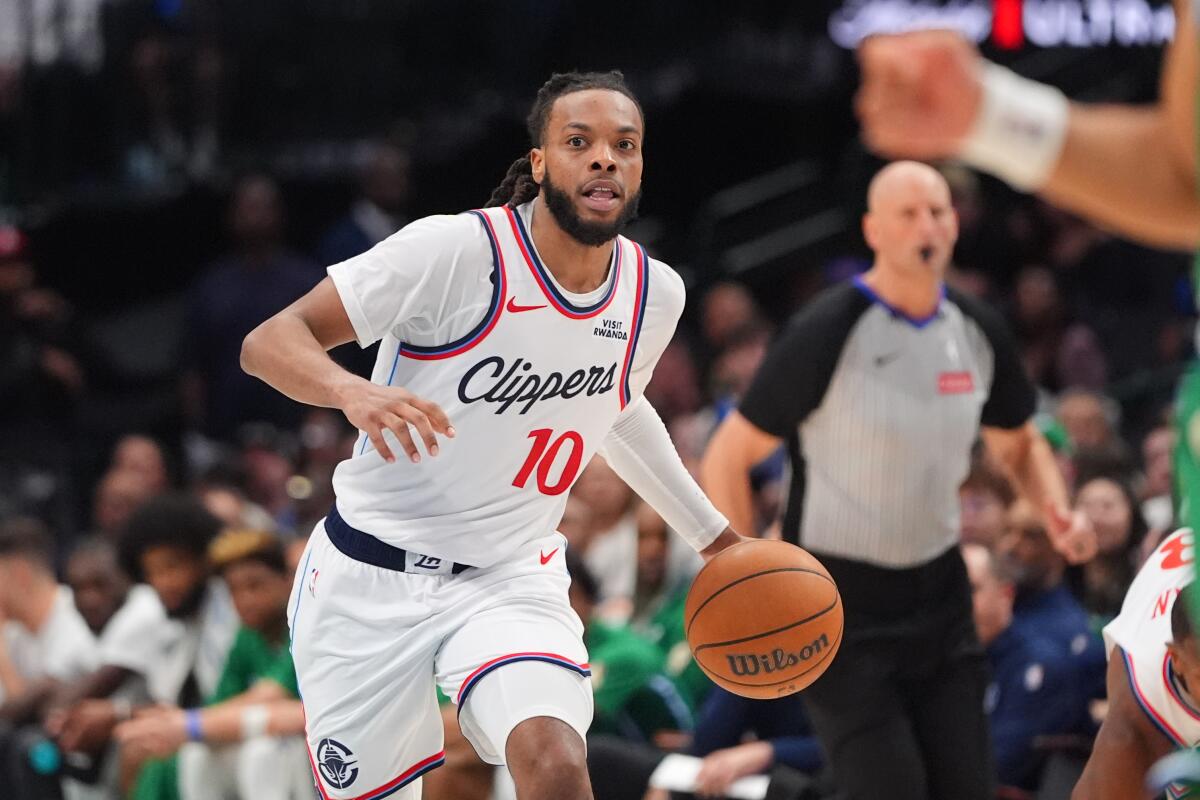
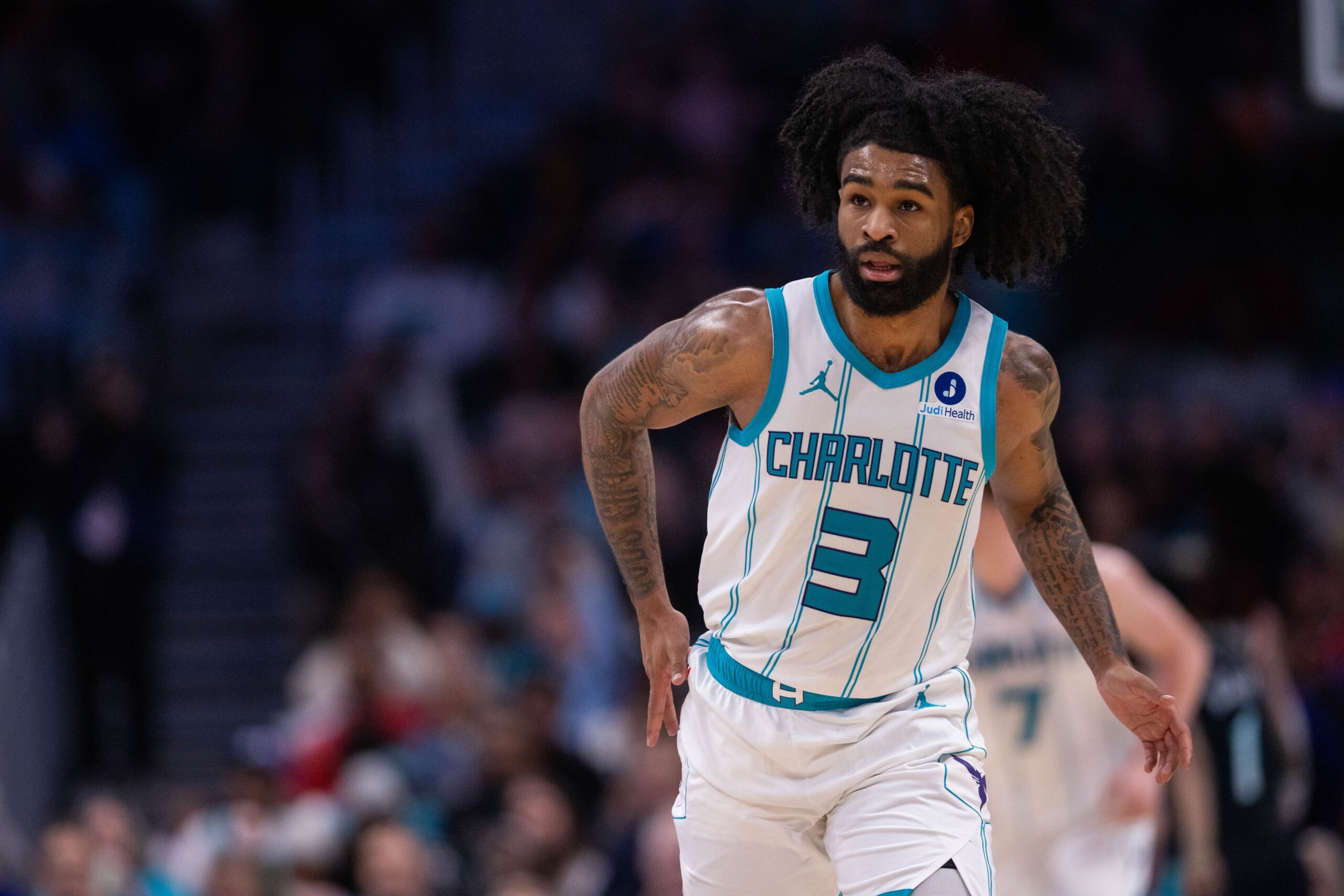
There may not be a more professional or dependable choice near the top of this re-draft than Garland. He has produced more career Total Production than anyone in the class, has been an All-Star, owns a positive +0.57 career DDiff, and has a +3.3 career net rating.
Garland's .497 HOC per minute is not at the extraordinary level of Williamson or Morant, but his value comes through sustained production, skill and consistency. He has developed into exactly the kind of lead guard teams hope to find near the top of a draft.
There is, however, some recent injury context that has to be acknowledged. Garland underwent surgery on his left big toe in 2025, and following the Clippers' season in April 2026 he said he had effectively been playing on "nine toes" while managing the residual effects of his earlier injuries.
At 26, that certainly does not mean his best basketball is behind him. But combined with the higher ceiling Morant has already demonstrated, it is enough to keep Garland at No. 3.
There is no slight intended toward Garland by ranking him here. He may represent the most stable combination of production and professionalism among the five.
4. Tyler Herro — Originally drafted No. 13
Herro has quietly built one of the strongest careers in the class. His .504 HOC actually edges Garland's, and he has developed from a high-level scorer and Sixth Man into an All-Star offensive centerpiece.
His career DDiff of -0.01 is essentially neutral, while his career net rating of -0.2 tells a similar story. Herro is not being selected here because of defensive impact. His value comes from shot-making, perimeter shooting, scoring creation and the amount of offensive responsibility he can handle.
There may be players below him with more defensive versatility or positional size, but few members of this class have combined Herro's cumulative production with his ability to create offense.
He has done enough to establish himself firmly inside the top tier.
5. RJ Barrett — Originally drafted No. 3
Barrett presents one of the more interesting cases in the entire re-draft. His career Total Production ranks near the very top of the class, which speaks to his durability and the substantial amount of productive NBA basketball he has already played.
The secondary numbers, however, are where he falls behind the other members of the top five. His .462 HOC is the lowest of this group. His career DDiff is -0.76, and his career net rating is -3.2. He is also the lone member of our top five who has not yet been selected to an All-Star Game.
None of that erases his cumulative production. Barrett has been productive enough for long enough that separating him from this top tier would be difficult to justify. But when Total Production is supplemented by per-minute production, defensive impact and individual accolades, the other four possess stronger cases.
That leaves Barrett fifth, still comfortably inside what we view as the clear top tier of the 2019 class, but at the back of a group that has separated itself from everyone else.
6. Keldon Johnson — Originally drafted No. 29
Johnson has substantially outperformed his original draft position and remains one of the more intriguing players in the class at just 26 years old. He ranks sixth in career Total Production and finished 12th among small forwards in HOC last season. His career net rating of -2.0 gives some pause, but the more recent version of Johnson appears to be a better player than his career numbers suggest. Getting into better NBA shape and shedding weight has helped his game, and in 2026 he was named NBA Sixth Man of the Year while helping San Antonio reach the NBA Finals. We are betting that this improved version of Johnson is the one we get going forward.
7. Coby White — Originally drafted No. 7
White barely trails Johnson in career Total Production, and the two are essentially neck-and-neck in that category. At 26, White also has plenty of prime basketball remaining and is coming off his best season from a team-impact standpoint. He ranked 13th among shooting guards with a .563 HOC last season and owns a nearly neutral -0.1 career net rating. An All-Rookie Second Team selection in 2020, White also finished second in Most Improved Player voting in 2024. His shot creation and ability to handle significant offensive responsibility make him a very comfortable choice at No. 7.
8. Nickeil Alexander-Walker — Originally drafted No. 17
Alexander-Walker is one of the biggest risers in this re-draft because we are not evaluating only what these players have already done, we are also considering where they are headed. NAW is coming off the best season of his career, finished with a .522 HOC that ranked 20th among shooting guards, and owns an impressive +1.4 career net rating. In 2026, he became the first Canadian to win the NBA Most Improved Player Award. His career Total Production trails several players selected below him here, but his trajectory earns him the No. 8 spot.
9. Naz Reid — Undrafted
Reid is one of the great finds from the 2019 class. Despite going undrafted, he has accumulated nearly as much career Total Production as several prominent first-round picks and has developed into one of the NBA's better frontcourt reserves. Reid won Sixth Man of the Year in 2024 and finished 23rd among power forwards last season with a .516 HOC. His -1.9 career net rating is not particularly flattering, but his combination of size, shooting and offensive versatility gives him unusual value for a big man.
10. Kevin Porter Jr. — Originally drafted No. 30
There is no questioning Porter’s basketball talent. At 26, he remains one of the younger players in this portion of the re-draft and ranked 10th among point guards last season with a strong .582 HOC. His career net rating is -1.0, but his ability to create shots and facilitate gives him a higher ceiling than many players in this range. The reason he does not move higher is difficult. Porter had a rougher childhood than most and his background contains issues that have to be considered when making a decision as a general manager. At No. 10, the talent is worth the risk. (If you want more context on Porter Jr. read this)
11. Daniel Gafford — Originally drafted No. 38
Gafford has developed into an extremely efficient NBA center after lasting until the second round. He led the NBA in field-goal percentage in 2023-24 at 72.5% and played an important role in helping Dallas reach the 2024 NBA Finals. His career HOC of .639 is excellent, and last season he ranked 24th among centers at .609. His +0.4 career net rating is also positive. Gafford knows what he does well, does not require the offense to be built around him, and has become a valuable starting-caliber big.
12. Cameron Johnson — Originally drafted No. 11
Johnson has been a productive, high-level shooter throughout his career and owns one of the better career net ratings in this group at +1.4. He also gained valuable postseason experience early, reaching the 2021 NBA Finals with Phoenix during his second season. His .404 HOC last season ranked 38th among small forwards, and at 30 he is considerably older than most of the players surrounding him in this re-draft. That limits how aggressively we can project forward, but his shooting, size and proven ability to contribute to winning keep him comfortably in the lottery.
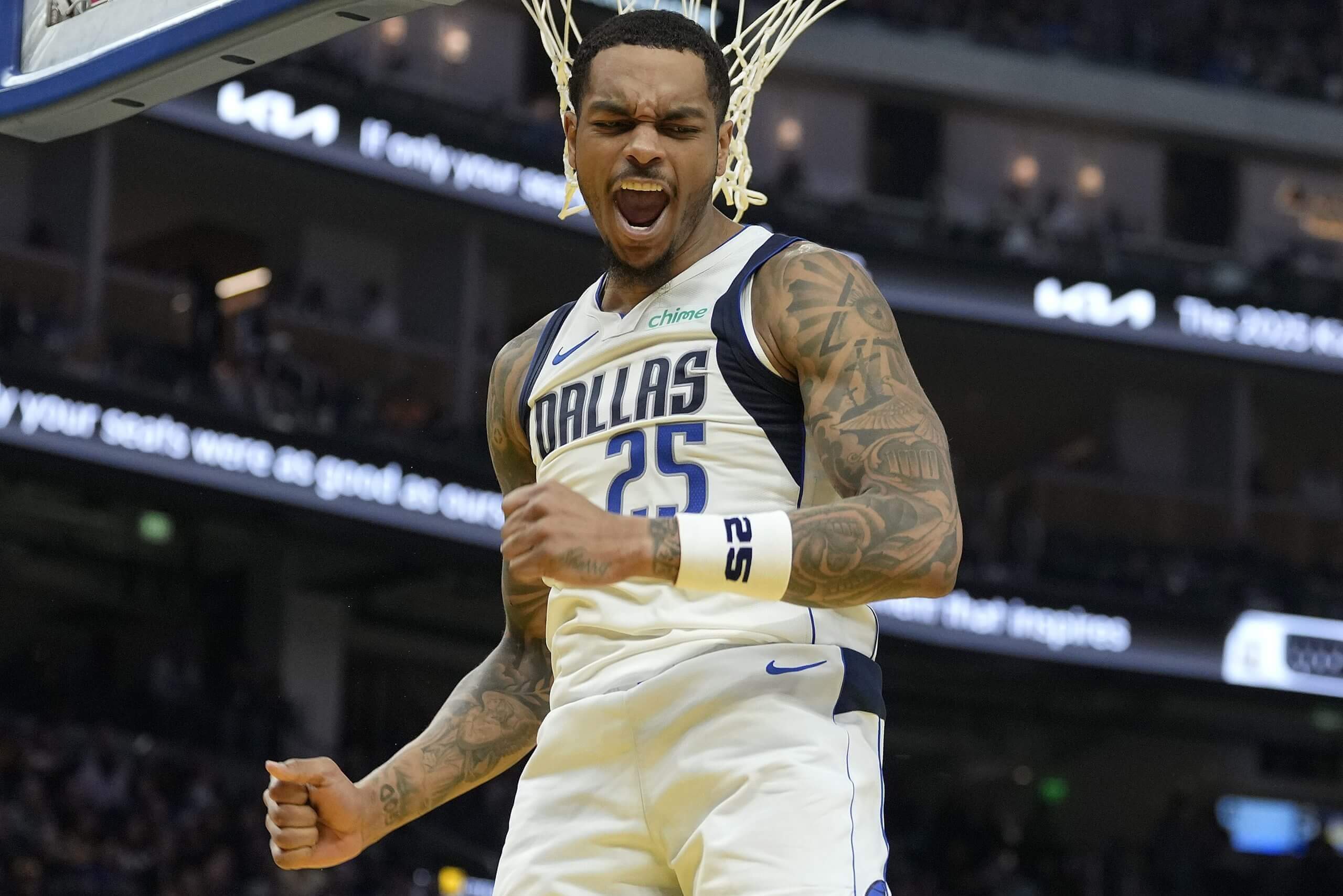
13. P.J. Washington — Originally drafted No. 12
Washington has quietly put together a substantial NBA career. He was named Second Team All-Rookie in 2020, and after being traded to Dallas in February 2024, he helped the Mavericks reach the NBA Finals. His +1.4 career net rating is one of the strongest marks in this group. Washington ranked 41st among power forwards last season with a .439 HOC, which keeps him from moving higher, but his size, versatility and ability to fit around better players make him an appealing piece for a winning roster.
14. Ty Jerome — Originally drafted No. 24
Jerome earns the final lottery spot largely because of what he has become rather than the volume of what he has accumulated. His career Total Production remains relatively low because of limited playing time, but his career .491 HOC has been impressive for a guard. Last season he exploded to a .803 HOC, ranking second among point guards. The obvious warning is sample size: Jerome played only 339 minutes. That is far too little evidence to assume .803 represents his new normal, but his continued improvement is enough to make him worth the gamble with the final pick of our re-draft lottery.
15. De’Andre Hunter — Originally drafted No. 4
Hunter lands here because he has become a dependable two-way wing and, just as importantly, a trusted professional. His career net rating is nearly neutral at -0.1, and he ranked 37th among small forwards last season with 0.408 HOC. At 28, he is still firmly in his prime and brings the kind of size and stability teams value.
16. Goga Bitadze — Originally drafted No. 18
Bitadze has quietly become one of the better values from this class. At 27, he ranked 18th among centers last season with 0.634 HOC and owns a +1.2 career net rating. His feisty nature can occasionally work against him, but his production and age make him an attractive frontcourt piece.
17. Matisse Thybulle — Originally drafted No. 20
Thybulle’s value cannot be judged strictly through offensive production. He remains a premier perimeter defender, owns a +2.7 career net rating, and appears to be making progress offensively. His defensive prowess is the reason he remains this high.
18. Nic Claxton — Originally drafted No. 31
Claxton has accumulated more career production than most players remaining and is still only 27. His -1.8 career net rating is disappointing for a center. His talent is unquestioned, but occasional issues controlling his emotions keep him from moving higher.
19. Jordan Poole — Originally drafted No. 28
Poole has an NBA championship, once led the league in free-throw percentage, and has produced more over his career than anyone remaining. The concern is his recent direction: 0.386 HOC last season and a -3.1 career net rating. Even so, at 27, his shot-creation ability is still worth betting on before the safer role players below him.
20. Rui Hachimura — Originally drafted No. 9
Hachimura has been a steady NBA scorer and owns a positive +0.4 career net rating. At 28 there is still reason to believe a larger offensive role could bring more out of him. He should find more usage as a Clippers player this season. He also earned All-Rookie Second Team honors in 2020.
21. Jaxson Hayes — Originally drafted No. 8
Hayes is still only 26. He ranked 34th among centers last season. His -0.6 career net rating is manageable. Off-court baggage has to be considered in a forward-looking re-draft. The physical tools and age keep him inside the top 21.
22. Max Strus — Undrafted
Strus has carved out a strong NBA career after going undrafted. He ranked 24th among small forwards last season. His career net rating sits at -1.1. At 30, there is less projection involved, but his shooting and experience still have clear value.
23. Dean Wade — Undrafted
Wade’s individual production is modest, but his +3.1 career net rating is the best among this group. He has consistently fit into winning lineups without needing much offensive responsibility, which earns him a place in the first round of this re-draft.
24. Lu Dort — Undrafted
Dort is another player whose value is greater than his HOC suggests. His 0.275 HOC ranked just 66th among small forwards last season, but he remains a respected perimeter defender and owns a positive +0.6 career net rating. Defensive toughness keeps him comfortably in the top 30.
25. John Konchar — Undrafted
Konchar has built a useful career through efficiency, rebounding and low-maintenance basketball. His +2.0 career net rating stands out. At 30, the upside is limited, but the track record of helping lineups function is meaningful.
26. Grant Williams — Originally drafted No. 22
Williams has established himself as a physical, versatile role player capable of defending bigger forwards and spacing the floor. His 0.405 HOC ranked 46th among power forwards last season, while his career net rating is -1.5. He remains a rotation piece despite some inconsistency.
27. Terance Mann — Originally drafted No. 48
Mann dramatically outperformed his original draft slot and has spent much of his career as a dependable utility player. His career net rating is -0.3. His versatility and professionalism have helped him stick as a valuable rotation player.
28. Caleb Martin — Undrafted
Martin turned an undrafted opportunity into a long NBA career and has contributed in high-pressure postseason situations. His +0.7 career net rating is positive.
29. Amir Coffey — Undrafted
Coffey has quietly built staying power as a versatile wing after entering the league undrafted. His career Total Production exceeds several more recognizable players from the class, and his ability to fill different roles keeps him in our top 30.
30. Garrison Mathews — Undrafted
Mathews grabs the final spot after building a legitimate NBA career as a shooting specialist. His ability to stretch the floor has allowed him to survive and contribute despite going undrafted. In a class with plenty of players who never established themselves, Mathews’ longevity and defined NBA skill earn him the final selection.